 Русский
 English
 Español


Lab-Grown vs. Natural Diamond Jewelry: Understanding Two Types of Real Diamonds
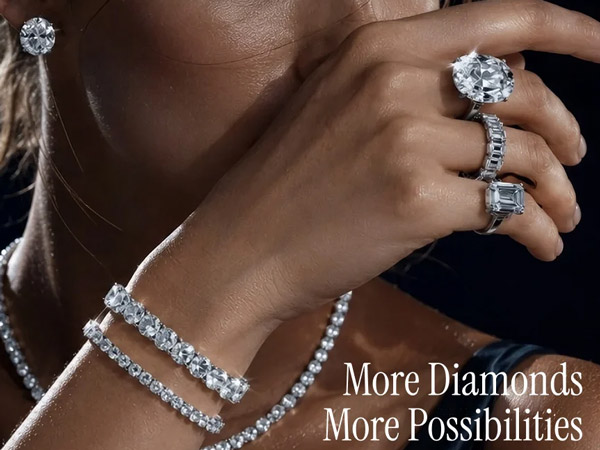
Diamonds have been cherished for centuries as symbols of love, commitment and luxury. Today, shoppers exploring diamond jewelry will encounter two main categories: natural diamonds and lab-grown diamonds. Many people mistakenly believe lab-grown diamonds are “fake.” In fact, both are real diamonds with the same chemical composition, crystal structure, hardness, sparkle and optical performance. Both can be graded and certified by reputable gemstone laboratories. The key differences lie in how they form, their stories, pricing and suitable buyers.
Natural Diamond Jewelry
Natural diamonds are formed naturally deep inside the Earth, roughly 150–200 kilometers below the surface. Billions of years of extreme high temperature and pressure transform carbon into diamond crystals. Volcanic activity then brings these crystals close to the Earth’s surface, where they can be mined. After mining, rough diamonds go through cutting, polishing, grading and jewelry setting before reaching consumers.
The biggest charm of natural diamonds comes from their natural rarity and unique geological history. Each natural diamond carries its own formation trace, and its internal inclusions are natural marks formed over billions of years. No two natural diamonds are exactly the same. For many people, wearing natural diamond jewelry means owning a piece of the ancient Earth, which adds a special romantic and collectible meaning.
Natural diamonds also have a long-established luxury market tradition. For generations, they have been the classic choice for engagement rings, anniversary gifts and heirlooms. As a finite natural resource, natural diamonds enjoy relatively mature recognition in the second-hand market. Many buyers choose natural diamond jewelry because they hope to pass it down to children or other family members as a precious family treasure that carries memories across decades.
Still, natural diamonds come with certain considerations. Natural diamond mining involves large-scale land excavation, water consumption and energy use. The supply chain for natural diamonds is complex, and while modern industry standards have greatly reduced conflict diamonds, ethical concerns remain a consideration for some buyers. Natural diamonds also tend to carry a much higher price tag for the same 4C (cut, color, clarity, carat) grade.
229Lab-Grown Diamond Jewelry
Lab-grown diamonds, also called cultivated diamonds, are real diamonds grown in a controlled laboratory environment. Manufacturers use two mainstream technologies: HPHT (High Pressure High Temperature) and CVD (Chemical Vapor Deposition). By simulating the diamond-forming conditions found underground, carbon atoms assemble into diamond crystals in just a few weeks. The finished stones are then cut, polished and set into jewelry just like natural diamonds.
Lab-grown diamonds’ most prominent advantage is cost. With the same cut, color, clarity and carat, lab-grown diamonds usually cost far less than natural diamonds. This means buyers can get a larger, cleaner diamond within the same budget. It makes beautiful diamond jewelry accessible to more people, whether for an engagement ring, daily earrings, pendants or fashion stacking rings.
Ethics and sustainability are another major selling point. Lab-grown diamonds avoid mining-related land damage, habitat disruption and risks tied to mining labor. Their production supply chain is easier to trace, so buyers can wear their jewelry with confidence, knowing it is conflict-free. Many environmentally conscious consumers prefer lab-grown diamonds for their lower ecological impact.
In terms of quality control, lab-grown diamonds offer stable and consistent quality. Producers can control the growth process to reduce undesirable inclusions, and high-quality colorless or fancy-color lab-grown diamonds are widely available. They are perfect for modern shoppers who prioritize appearance, budget and sustainable values.
That said, lab-grown diamonds are a newer product category. They do not have the same centuries-long heritage as natural diamonds, and their resale market is still less established. They are mass-produced, so they do not carry the unique ancient geological story of natural diamonds.
How to Choose
There is no absolute right or wrong choice between the two. If you value the wonder of nature, geological rarity, classic heritage, and the potential to keep jewelry as a family heirloom, natural diamond jewelry may be your ideal pick. If you focus on budget, ethical sourcing, environmental friendliness, and want a larger, sparkling diamond for daily wear or a romantic proposal, lab-grown diamond jewelry is an excellent modern option.
At the end of the day, the sparkle of both diamonds is equally brilliant. The best diamond jewelry is the one that matches your budget, personal values and the special story you want it to represent. So, please feel free to contact us for more information about lab diamond jewelry if interested!
Inquiry
Please leave us your requirements, we will contact you soon.